
Vendor Performance & Contract Assurance

Independent review of contract performance, compliance, and control effectiveness.

Independent assurance to determine whether a critical delivery partner is still performing and aligned to the contract, or whether the relationship is drifting commercially and operationally.

Know whether the relationship is still safe to rely on, or only being reported as if it is.

When a delivery partner becomes central to a program, transformation, or major implementation, leadership often relies on reporting, governance forums, and contractual mechanisms that no longer fully reflect the engagement’s real delivery reality.
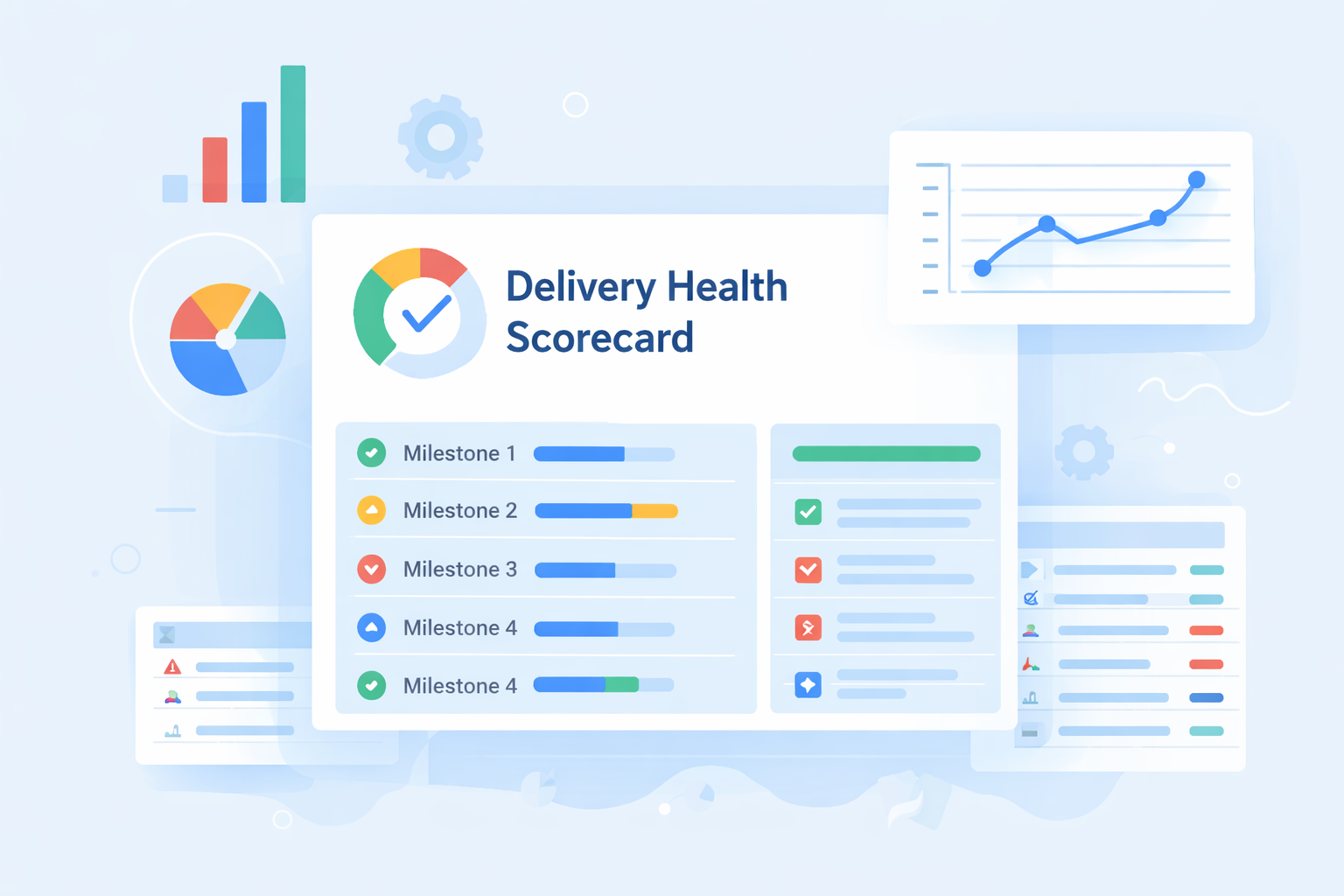
This review provides an evidence-based view of whether partner performance, delivery accountability, contractual obligations, and commercial protections are still aligned, so leadership can challenge, reset, protect, or rely on the relationship with confidence. It is designed for environments where the partner remains active, embedded, and formally governed, but leadership is no longer fully confident that the relationship is still controllable under real delivery conditions.

The Promise

Delivery Confidence

Determine whether the partner relationship remains contractually and structurally safe to rely on for critical outcomes.

Commercial Leverage

Identify whether contractual protections, obligations, escalation rights, and remedies are still usable in practice.

Decision Clarity

Provide an evidence-based view of whether the engagement should be protected, challenged, reset, re-scoped, or structurally and contractually reworked.

The Diagnosis

When the relationship still looks managed, but control and delivery is drifting.

This review is typically commissioned when the partner remains active, embedded, and formally governed, but confidence in accountability, alignment, and commercial control is no longer holding.
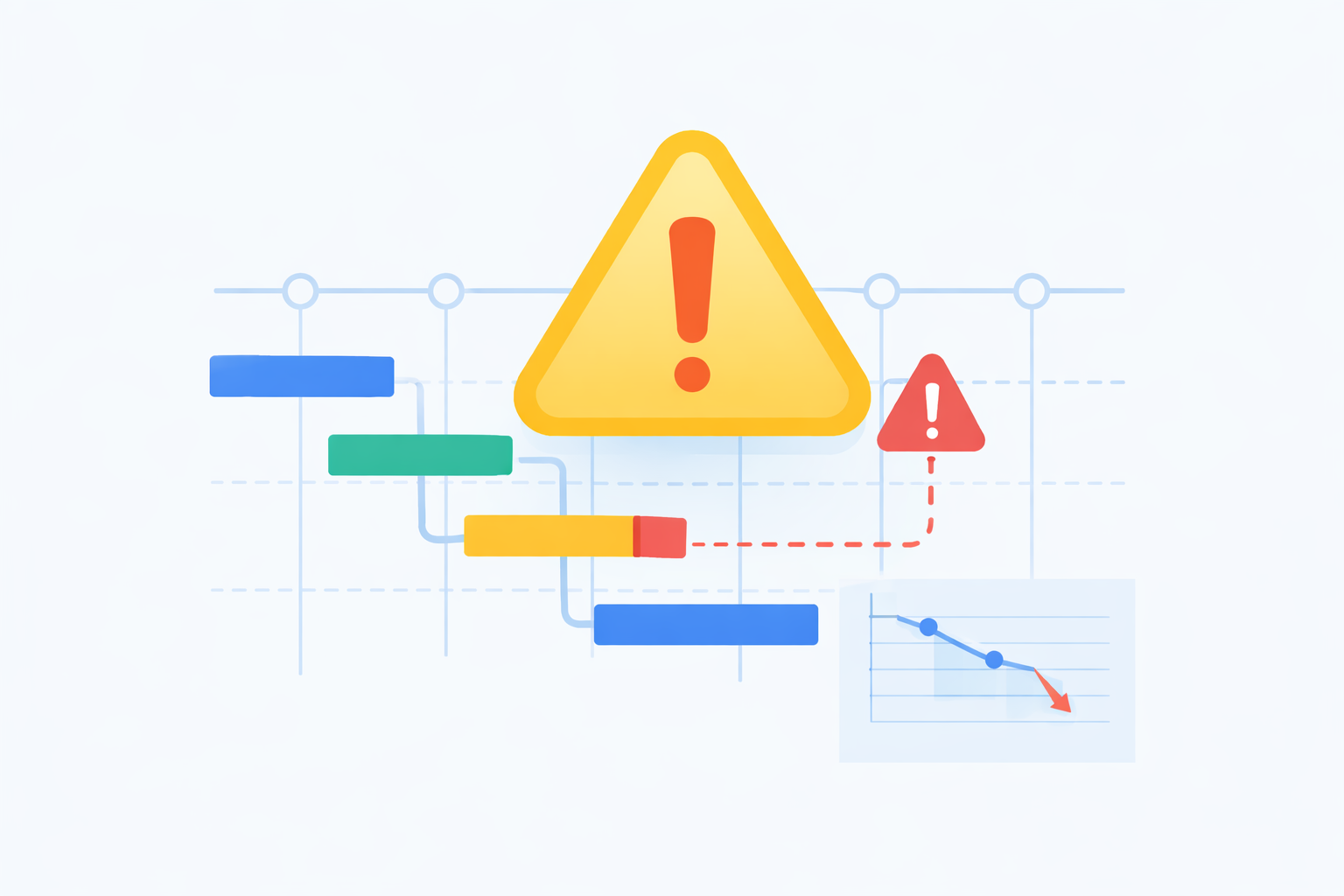
Blurred Accountability: The organization and vendor are caught in a recurring loop of shared explanation, but responsibility is becoming harder to isolate.
KPI Theatre: KPIs and SLAs remain formally acceptable while delivery confidence, service quality, or real-world outcomes weaken.
Obligation Ambiguity: Contractual protections, obligations, or escalation rights still exist on paper, but their practical use is becoming less clear.
Dependency Entrapment: The partner has become so embedded in the delivery path that leadership is no longer sure how much control still exists.
Weakening Leverage: Commercial spend continues, but the organisation’s ability to challenge, reset, or redirect the relationship is becoming harder to exercise with confidence.

Why This Review

When the delivery narrative and status reports are no longer enough.

Independent View

Provide an external assessment of whether partner performance, accountability, and contractual protections are still aligned under real delivery conditions.

Clear Decision Path

Help leadership determine whether the relationship should be protected, challenged, reset, renegotiated, re-scoped, or structurally reworked before further value is placed at risk.

Decision-Safe Output

Produce an evidence-based partner position that can support executive, commercial, procurement, legal, and investment scrutiny.

When to Use This Review

Use Vendor Performance & Contract Assurance when the vendor relationship appears active and governed, but confidence in contractual control and delivery value is weakening.
Trust in Relationship Deteriorating: A critical vendor remains embedded, but leadership no longer fully trusts the relationship.
Rising Pressure, Blurred Accountability: Delivery pressure is increasing, but accountability is becoming harder to isolate.
Recurring Finger-Pointing Loops: The organisation and vendor are caught in repeated cycles of blame with limited resolution.
Governance Activity Without Control: Governance forums are becoming more active, but visible control and assurance are not improving.
Need for Independent Recovery Position: Leadership needs an independent recovery position before authorizing further commitment.
KPIs Masking Confidence Decline: KPIs or SLAs remain formally acceptable while genuine delivery confidence weakens.
Requirement for an Independent Position: Leadership needs a defensible basis to challenge, reset, rescope, or rely on the engagement.

What We Assess

This review assesses whether the partner relationship remains commercially usable, operationally credible, and safe to rely on.
Delivery Alignment
Whether the gap between contractual obligation and live delivery has widened to a point that threatens outcomes.
Performance Credibility
Whether reported performance still matches user experience, service stability, and output quality.
Dependency Forensic
Whether the people responsible for recovery have the authority, clarity, and control needed to change the outcome.
Leverage Restoration
What contractual, evidential, and governance positions leadership can still use to challenge, reset, or escalate the engagement with confidence.
Burn-to-Value Alignment
Whether commercial burn still corresponds to usable delivery progress, utility, and quality.
Accountability Clarity
Whether responsibility is sufficiently visible to support real intervention rather than circular blame.
Contract Integrity
Whether contractual terms, change controls, and enforcement mechanisms still provide effective leverage and protection for the organisation.

How We Establish Ground Truth

Partner-related risk is rarely visible through vendor reporting alone. It usually sits in the gaps — between contractual obligation and live delivery, between KPI performance and real service quality, between what the vendor says is blocked and what is genuinely causal, and between what leadership believes is protected and what remains commercially usable.

Delivery Alignment

We test the gap between what the contract says must happen and what is actually happening in delivery.

Performance Credibility

We assess whether reported performance still matches user experience, service stability, and output quality.

Dependency Forensic

We determine whether delivery friction is genuinely vendor-caused, client-caused, or structurally shared — and whether dependency claims are causal or merely protective.

Burn-to-Value Ratio

We determine whether commercial burn still aligns with the actual velocity, utility, and stability of the work being delivered.

Evidence We Review

Evidence is drawn from artefacts that determine whether the relationship remains commercially viable, operationally credible, and safe to rely on — not only those that describe it. The core evidence base typically includes:
Document Type Description & Evidence Provided
Contracts, statements of work, and change instruments Master contracts, Statements of Work, schedules, SLAs, KPIs, change orders, and formal obligations that define what the partner is required to deliver.
Performance and service evidence SLA/KPI dashboards, service reports, incident logs, problem histories, and operational evidence showing what the delivery environment is actually experiencing.
Milestone, acceptance, and rework evidence Delivery milestone reports, acceptance records, defect histories, rework patterns, and output quality signals.
Escalation and governance trails RAG packs, steering deck lineage, escalation logs, meeting records, and decisions showing how the relationship is being managed and defended.
Dependency and readiness evidence Dependency maps, environment readiness, access constraints, input gaps, approvals, and shared delivery blockers affecting the partner path.
Commercial burn and retained exposure Invoices, burn reports, retained commitments, forecast spend, and financial signals tied to the current delivery scope.
Challenge and remedy history Evidence of where obligations have been challenged, credits sought, escalations made, or contractual protections tested in practice.
Contract Variation and Renewal History Documentation of amendments, extensions, or renegotiations showing how contract intent or scope has evolved over time.
Resource and capability credentials Partner resource profiles, certifications, transition reports, and role-based evidence confirming delivery capacity and competency alignment.
Where relevant, this is supplemented by legal, procurement, or regulatory evidence required to support formal challenge, commercial recovery, or structured reset.

Decision Engine

The level of partner assurance is calibrated to the scale of the concern, the spread of commercial and delivery exposure, and the degree of decision confidence leadership needs.
Dimension Focused Integrated Strategic
Primary Use Used when concern is concentrated in a specific issue, workstream, obligation, or delivery friction point Used when performance, accountability, and dependency concerns are affecting the wider engagement Used when leadership requires a defensible view of whether to protect, challenge, reset, or restructure a commercially significant relationship
Typical Scope A defined issue, workstream, obligation, or contained section of the engagement A wider partner relationship with multiple pressure points across delivery and commercial control A commercially significant partner relationship under executive, investment, or board scrutiny
Decision Supported Determine whether the visible issue is isolated or signals a deeper control problem Decide whether the relationship remains commercially and operationally safe to rely on Restore leverage and re-establish a safe basis for control, reset, or escalation
Confidence Delivered Directional High confidence Board-level confidence
Value at Stake Prevent local delivery or obligation concerns from turning into wider relationship drift Restore control across an engagement where accountability, leverage, and confidence are weakening Protect major spend, delivery outcomes, and leadership's ability to act from a position of evidential strength
Internal Effort Minimal Low–Moderate Moderate
Time to Insight 5–7 days 7–10 days 10–14 days

What You Receive

Vendor Risk Posture Signal

A clear view of whether the current engagement is Stable, Degrading, or Carrying Material Commercial and Delivery Exposure.

Delivery Alignment View

A focused assessment of whether partner performance, contractual obligation, accountability, and execution reality are still aligned — and where they have materially drifted apart.

Dependency Forensic View

A practical reconstruction of where delivery blockers, dependency failures, input gaps, or accountability breakdowns are actually sitting.

Leverage Restoration Position

A decision-ready view of what leverage leadership still holds, what protections remain usable, and where challenge, reset, or escalation can be exercised with confidence.

Commercial Recovery Position

A board- and CFO-ready basis for determining whether the organisation should continue, challenge, renegotiate, recover value, seek credits, re-scope, hard reset, or prepare for exit.

Negotiation-Ready Evidence Pack

A structured evidence base that can support executive escalation, commercial challenge, legal review, vendor reset discussions, or high-stakes governance forums.

What "Control Restored" Looks Like

A partner relationship is considered back under control when:
Accountability Is Clear
Leadership can identify where responsibility actually sits without circular blame.
Performance Is Believable
KPIs, SLAs, and vendor reporting materially match what the delivery environment is experiencing.
Leverage Is Usable
The organisation can challenge, reset, or escalate the engagement without operating from evidential weakness.
Commercial Protection Is Real
Rights, obligations, and remedies can still be exercised in practice without destabilising delivery.
Spend and Value Are Reconnected
Commercial burn is proportionate to usable delivery progress and quality.

Execution Roadmap

A focused, low-footprint review designed to move from partner uncertainty to a decision-ready position in roughly 10 business days for a single critical engagement. Larger or more complex partner environments follow the same execution pattern, with greater depth of evidence review, validation, and escalation-readiness work where required.

day 1

Alignment & Scope Lock

Clarify the partner concern, delivery dependency, contract context, scope boundaries, and executive decision questions.

Days 2–5

Evidence Review / Reconstruction

Assess contractual obligations, reporting credibility, dependency paths, governance signals, commercial burn, and control artefacts at the level appropriate to the engagement.

Days 6–8

Pressure Testing / Validation

Test whether the reported recovery position holds under real delivery conditions through targeted validation with the relevant stakeholders.

Day 10

Executive Partner Briefing

Present a clear partner risk and leverage view, including where challenge, reset, recovery, or escalation is required and what should happen next.

Who This Service Is For

This service is typically commissioned by those responsible for protecting delivery outcomes where a third party has become commercially and operationally significant.

CIO / CTO / CDO

When leadership needs an independent ground truth on whether a critical delivery partner is a foundational asset — or a source of structural delivery risk.

Executive Sponsors / SROs

When the vendor remains central to delivery, but confidence is weakening that the relationship is still helping more than it is hurting.

Commercial / Procurement Leaders

When contractual terms and commercial protections no longer appear fully aligned with delivery reality.

PMO / Delivery Leaders

When KPI theatre, dependency claims, or blurred accountability are making partner control harder to defend.

CFO / Investment Committees

When significant capital outlay must remain tied to verifiable delivery value and usable commercial leverage.

Where This Review Changed the Decision

Major Implementation Partner Review
Showed that formally acceptable SLA performance was masking repeated rework and dependency failure, prompting structured commercial challenge before more spend was committed.
Vendor-Led Program Assurance
Established that the relationship remained viable only if accountability boundaries were reset and client-side dependency assumptions were corrected.
Commercial Recovery Review
Identified that usable leverage still existed through change control, acceptance, and burn evidence, enabling a stronger reset position instead of passive continuation.

If the partner remains embedded — but confidence in the relationship is weakening.

This review helps determine whether the engagement is still worth defending, where leverage still exists, and what leadership should do next to restore a safe basis for control.